
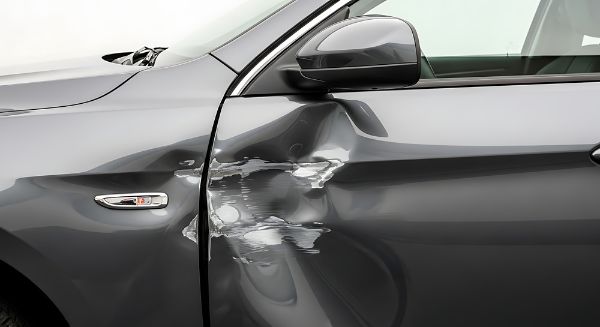
A collision can leave your vehicle with dents that range from small door dings to significant body damage. Even when a dent looks minor, the impact that caused it may have affected the surrounding body panels, paint, or components beneath the surface. Having the damage properly inspected can help you determine what repairs your vehicle needs before a small problem becomes a larger one. Professional dent repair is an important part of the collision repair process. Depending on the location, size, depth, and severity of the damage, your collision repair technician may use different repair methods to restore your vehicle's body.
What Is Dent Repair?
Dent repair involves restoring a damaged area of your vehicle's exterior to its proper shape and appearance. The appropriate repair method depends on the type of damage and the condition of the surrounding panel.
For some dents, your technician may be able to reshape the existing metal without replacing the panel. More extensive collision damage may require additional body repair, refinishing, or replacement of the damaged component.
A proper inspection allows you to understand whether the damage can be repaired or whether additional collision repair services are necessary.
Can a Small Dent Cause Bigger Problems?
In short, yes. A dent may seem like a cosmetic issue, but you should not automatically assume that the visible damage tells the entire story. A collision transfers force through the vehicle, and damage may extend beyond what you can see.
You may have underlying damage involving:
- Body panels and mounting points
- Paint and protective coatings
- Bumpers and exterior components
- Sensors or other vehicle technology
- Structural components
- Adjacent panels
This is why having your vehicle inspected after a collision is important, even if the dent appears relatively small.
How Is Dent Damage Repaired?
Your collision repair technician will first evaluate the damaged area and determine the appropriate repair procedure. Factors such as the location of the dent, the material of the panel, the condition of the paint, and the severity of the impact can influence the repair approach.
In some cases, conventional dent repair can restore the panel's shape. If the damage is extensive or the panel cannot be properly restored, replacement may be the better option.
If you choose Strong’s Auto Care, LLC, a technician may also need to perform additional bodywork and paint repair to return the damaged area to its original appearance.
What About Paint Damage?
A dent does not always damage the paint, but collisions can crack, chip, scratch, or otherwise compromise the finish. If the paint has been damaged, simply reshaping the panel may not be enough to complete the repair.
Paint damage can also leave the underlying material exposed to moisture and other environmental conditions. Addressing the damage as part of the collision repair process helps restore both the appearance and protection of your vehicle.
Why Professional Dent Repair Matters
Trying to repair a collision-related dent yourself can make the damage worse or leave you with an uneven finish. Professional collision repair technicians have the training, tools, and repair processes needed to evaluate the damage and determine how it should be addressed.
A professional repair also focuses on more than appearance. Your technician should consider how the damaged panel fits with surrounding components and whether additional collision damage needs to be addressed.
When Should You Schedule Dent Repair?
You should have your vehicle inspected as soon as possible after a collision or impact. Delaying repairs can allow paint damage, exposed metal, or other problems to worsen.
Whether you are dealing with a small dent or more significant collision damage, a professional inspection gives you a better understanding of what your vehicle needs.
If your vehicle has been damaged in a collision, contact Strong’s Auto Care, LLC at (860) 289-5687 to schedule an inspection and discuss your dent repair options.