Your vehicle's exterior is made up of multiple body panels that contribute to its appearance, aerodynamics, and overall structural design. From doors and fenders to quarter panels, hoods, and bumpers, each component is designed to fit together and maintain your vehicle's original appearance.
Unfortunately, everyday driving conditions, parking lot accidents, road debris, and vehicle collisions can leave these panels scratched, dented, bent, or otherwise damaged. Even a relatively minor impact can affect the alignment and appearance of surrounding body panels.
Professional panel repair is an important part of restoring your vehicle after an accident. Understanding how auto body technicians evaluate and repair damaged panels can help you make informed decisions about collision repair and determine when professional service is necessary.
What Is Automotive Panel Repair?
Automotive panel repair involves restoring damaged exterior body panels to their proper shape, alignment, and appearance. Depending on the severity and location of the damage, technicians may be able to repair the existing panel or recommend replacing it with a new component.
Panel damage can occur in several ways, including:
- Minor parking lot collisions and door dings.
- Fender benders and low-speed vehicle accidents.
- Hail damage and severe weather.
- Impacts with road debris or other objects.
- Scratches, dents, and creases.
- Larger collisions involving multiple body panels.
The appropriate repair method depends on several factors, including the panel's material, the extent of the damage, and whether nearby components have also been affected.
Professional auto body repair helps restore damaged panels while maintaining proper fit, finish, and alignment.
Common Vehicle Body Panels That May Require Repair
Your vehicle has several exterior panels that can sustain damage during everyday driving or a collision. Some panels are easier to repair than others, depending on their location, construction, and the severity of the impact.
1. Fender Repair
Your vehicle's fenders are located around the wheel openings and help protect the surrounding bodywork from road debris, dirt, and water.
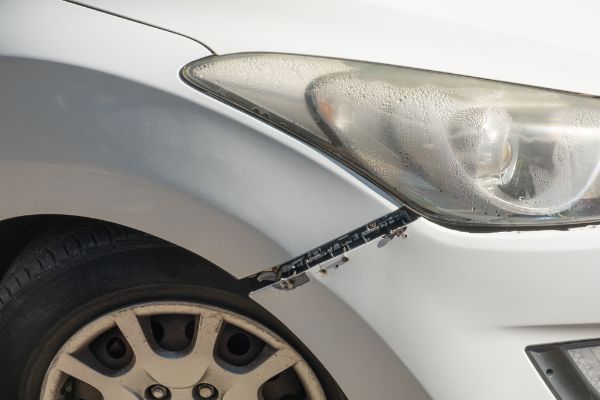
Fenders are particularly vulnerable to damage during parking accidents, tight turns, and side-impact collisions.
Common fender damage includes:
- Dents and creases.
- Scratches and paint damage.
- Bent or misaligned panels.
- Cracked or damaged mounting areas.
Depending on the extent of the damage, a technician may be able to reshape the existing fender, repair the affected surface, or recommend fender replacement.
2. Door Panel Repair
Vehicle doors can sustain dents, scratches, and structural damage from parking lot accidents, accidental impacts, and side collisions.
Even a small dent can affect the appearance of your vehicle, while more extensive damage may interfere with door operation or alignment.
Professional door panel repair may involve:
- Dent removal and metal reshaping.
- Repairing scratches and surface imperfections.
- Correcting panel alignment.
- Replacing severely damaged door components.
- Automotive paint refinishing.
Proper door repair helps restore the appearance and functionality of your vehicle while ensuring the door fits correctly within the surrounding body panels.
3. Quarter Panel Repair
Quarter panels are located along the rear sides of your vehicle, surrounding the rear wheel openings and extending toward the trunk area.
Because quarter panels are commonly integrated into the vehicle's body structure, repairing them can require more extensive labor than repairing certain bolt-on panels.
Common quarter panel damage includes dents, creases, scratches, and collision-related deformation.
Depending on the vehicle's construction and the severity of the damage, repairs may involve metal reshaping, section replacement, welding, refinishing, or complete panel replacement.
4. Hood Repair
Your vehicle's hood protects the engine compartment and provides access to important mechanical components.
Hoods can become dented, creased, or misaligned following collisions, falling objects, or hail damage.
Common hood repair services include:
- Dent removal.
- Surface and paint repair.
- Panel reshaping.
- Hood alignment.
- Hood replacement when necessary.
If your hood does not close properly or appears uneven after an accident, have it inspected by a professional collision repair technician.
5. Bumper Repair
Although bumpers are technically different from traditional metal body panels, they are an important part of your vehicle's exterior and frequently require collision repair.
Modern bumper systems may contain plastic covers, reinforcement components, mounting brackets, sensors, and other equipment.
Common bumper damage includes cracks, scratches, dents, loose mounting points, and displaced sections.
Depending on the damage and manufacturer repair procedures, technicians may recommend bumper repair or replacement to restore proper fit and function.
What Is the Difference Between Panel Repair and Panel Replacement?
Not every damaged vehicle panel needs to be replaced. In many situations, professional auto body technicians can restore the original panel through specialized repair techniques.
However, certain types of damage may require complete or partial panel replacement.
Panel Repair: This involves restoring the existing body panel by removing dents, reshaping damaged areas, correcting imperfections, and preparing the surface for automotive paint refinishing.
Panel Replacement: When a panel is severely damaged, structurally compromised, or cannot be properly restored, replacing it may be the more appropriate solution.
Several factors help determine which option is best:
- Severity and location of the damage.
- Type and thickness of the panel material.
- Whether the damage involves structural components.
- Accessibility of the damaged area.
- Manufacturer repair recommendations.
- Overall safety and repair quality considerations.
A professional collision damage assessment can help determine the appropriate repair method for your vehicle.
How Does the Panel Repair Process Work?
The panel repair process varies depending on the type and severity of the damage. However, most professional auto body repairs follow several general steps.
Step 1: Damage Assessment
The first step involves inspecting the damaged area and identifying the extent of the damage.
Technicians evaluate the affected panel, surrounding components, paint condition, and panel alignment. They may also inspect for hidden damage that is not immediately visible.
Step 2: Dent Removal and Panel Reshaping
If the existing panel can be repaired, technicians use specialized tools and techniques to restore its original shape.
Depending on the damage, this may involve pulling dents, reshaping metal, repairing surface imperfections, or performing paintless dent repair when appropriate.
Step 3: Surface Preparation
Once the panel has been repaired, the surface must be properly prepared for refinishing.
This may include sanding, smoothing imperfections, applying appropriate primers, and preparing the surrounding areas to ensure a consistent finish.
Step 4: Automotive Paint Matching and Refinishing
Paint refinishing is an important part of restoring your vehicle's appearance.
Technicians use vehicle-specific paint information and color-matching processes to help achieve a consistent finish between the repaired panel and surrounding areas.
Depending on the repair, blending adjacent panels may also be necessary to achieve a more uniform appearance.
Step 5: Reassembly and Final Inspection
After refinishing, technicians complete any necessary reassembly and inspect the repaired area.
This includes checking panel alignment, fit, paint quality, and the operation of any affected components.
The goal is to restore your vehicle as closely as possible to its pre-accident condition while following appropriate repair procedures.
Why Professional Auto Body Panel Repair Matters
Attempting to repair significant vehicle body damage without the proper tools, equipment, or experience can lead to poor results and additional problems.
Professional collision repair technicians understand how different vehicle materials respond to impacts and which repair techniques are appropriate for specific types of damage.
Professional panel repair can help:
- Restore damaged panels and exterior surfaces.
- Correct dents, creases, and misalignment.
- Improve the appearance of your vehicle.
- Address exposed metal that may be vulnerable to corrosion.
- Restore proper panel fit and operation.
- Identify hidden collision damage.
- Maintain appropriate manufacturer repair standards.
Modern vehicles may also incorporate advanced materials, sensors, and driver-assistance technology into their body panels. Depending on the repairs performed, additional inspections, system checks, or calibrations may be necessary.
Choosing an experienced collision repair shop helps ensure your vehicle receives the appropriate attention throughout the repair process.
When Should You Schedule Professional Panel Repair?
You should consider having your vehicle inspected whenever you notice visible body damage or changes following an accident.
Some damage may appear cosmetic, but can affect surrounding components or conceal more extensive problems.
Consider scheduling an auto body inspection if you notice:
- Dents or creases in exterior body panels.
- Scratches that expose the underlying metal.
- Uneven gaps between doors, fenders, and other panels.
- Doors, hoods, or trunks that do not close properly.
- Cracked or loose bumper covers.
- Paint peeling or bubbling around damaged areas.
- Visible deformation following a collision.
Addressing damage promptly can help prevent certain issues from worsening and determine whether additional collision repairs are necessary.
Restore Your Vehicle's Appearance With Professional Panel Repair
Your vehicle's exterior plays an important role in its overall appearance and protection. Whether you are dealing with a small dent, damaged fender, scratched door, or more extensive collision damage, professional panel repair can help restore your vehicle's exterior.
From dent removal and panel reshaping to paint refinishing and panel replacement, experienced auto body technicians can evaluate the damage and recommend an appropriate repair solution.
If your vehicle has sustained exterior damage, Strong’s Auto Care, LLC is here to help. Contact our team in South Windsor to schedule an inspection and learn more about our professional panel repair, auto body repair, and collision repair services. We are committed to helping you restore your vehicle's appearance and get back on the road with confidence.